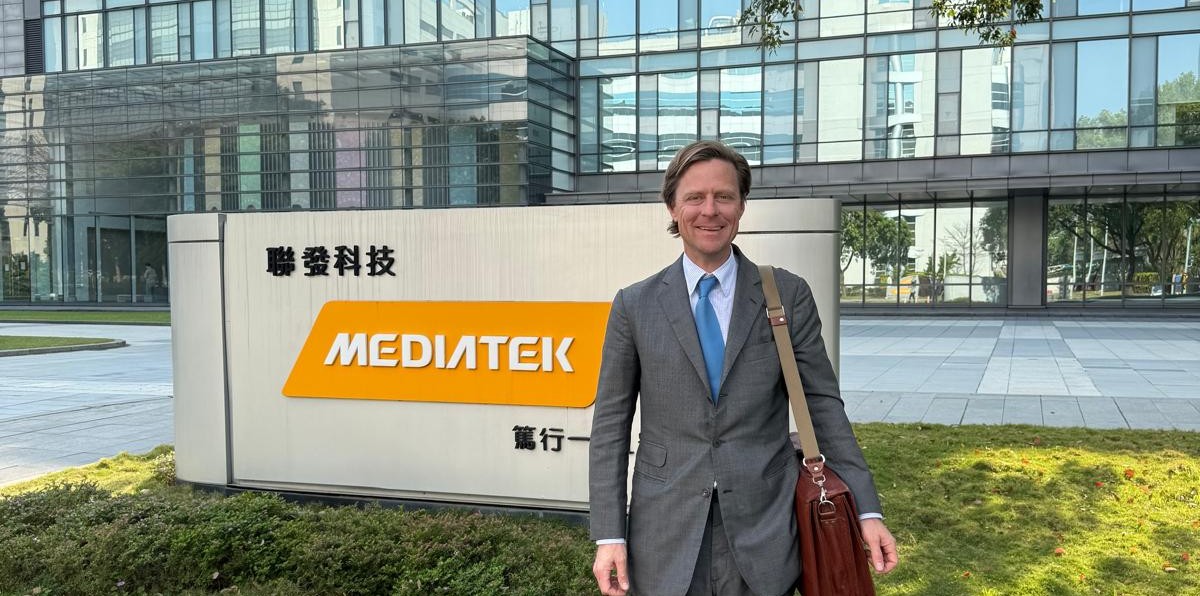
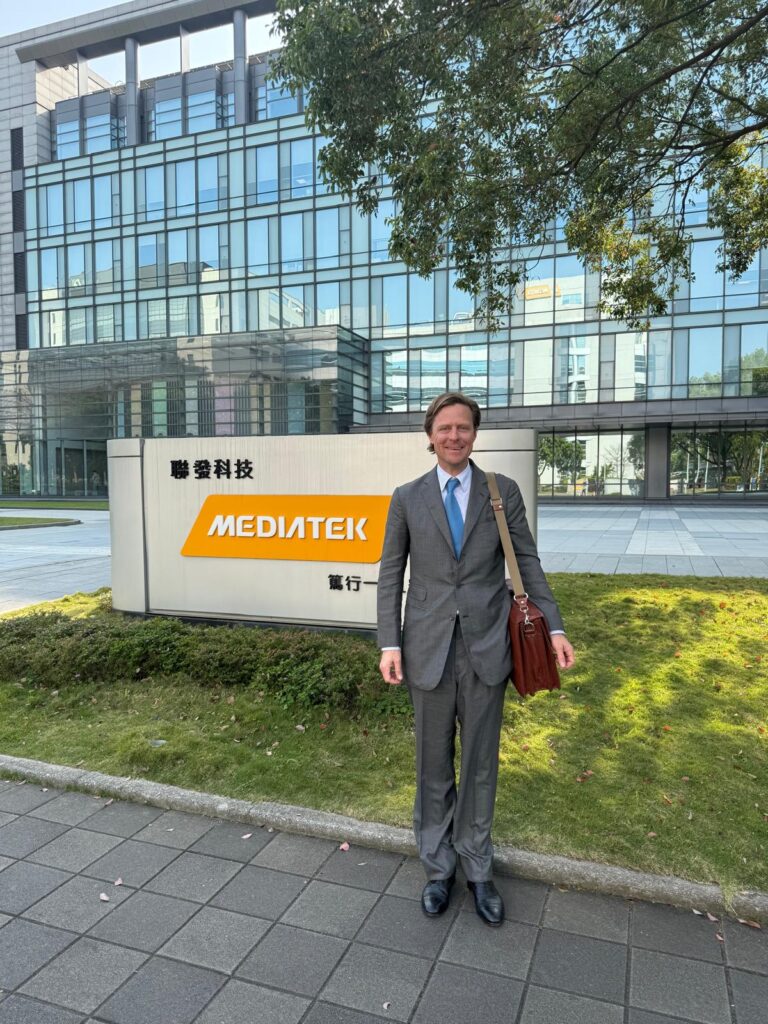
Portfolio Manager, Carlos Hardenberg, and the MCP team are currently on-the-ground in Taiwan. So far, they have had company meetings with:
All of MCP’s Taiwanese holdings
Foundries
IC design houses, incl. ASIC
Silicon IP
Server assemblers
Material & component manufacturers
Private companies looking to IPO soon
Here are some key facts about the country that we find particularly interesting:
Semiconductor Industry:
1. TSMC held a 64.9% share of global semiconductor foundry revenue in Q3 2024, a 12% YoY increase. Including other foundries, Taiwan’s total market share surpassed 72%, up 9% YoY1.
2. The global semiconductor market has experienced significant growth, nearly doubling over the past decade. According to Gartner, revenues reached $626 billion in 2024, with forecasts predicting an increase beyond $700 billion in 20252.
Taiwan’s Economy:
3. Taiwan’s GDP grew by approximately 4.3% in 2024, bringing per capita GDP to around $34,000. Economic growth is projected to continue at a rate of 3.1-3.3% in 20253.
4. Taiwan’s government debt-to-GDP ratio has steadily declined over the past decade, standing at 26% in 2024. In comparison, the U.S. debt-to-GDP ratio exceeds 120%4.
Taiwan’s Trade:
5. Taiwan’s exports surged by 32% YoY in February 2025, marking the strongest growth since February 20225.
6. In 2024, Taiwan recorded a net trade surplus of $80 billion6.
7. Despite geopolitical tensions, Taiwan and China maintain robust trade relations and FDI flows. China remains Taiwan’s largest trading partner, although Taiwan ran a $70 billion trade surplus with China in 20247.
More Facts!
8. Taiwan is recognised as a highly liberal and democratic nation, with a score of 94/100 in the Freedom House rankings8.
9. Taiwan is officially recognised by only 12 countries, most of which are small island nations9.
10. Taiwan has four official languages and over 20 living languages.
Footnotes:
1 Statista
2 Gartner
3 Statista
4 IMF
5 Trading Economics
6 Statista
7 Statista
8 Freedom House
9 Ministry of Foreign Affairs, Republic of China (Taiwan)
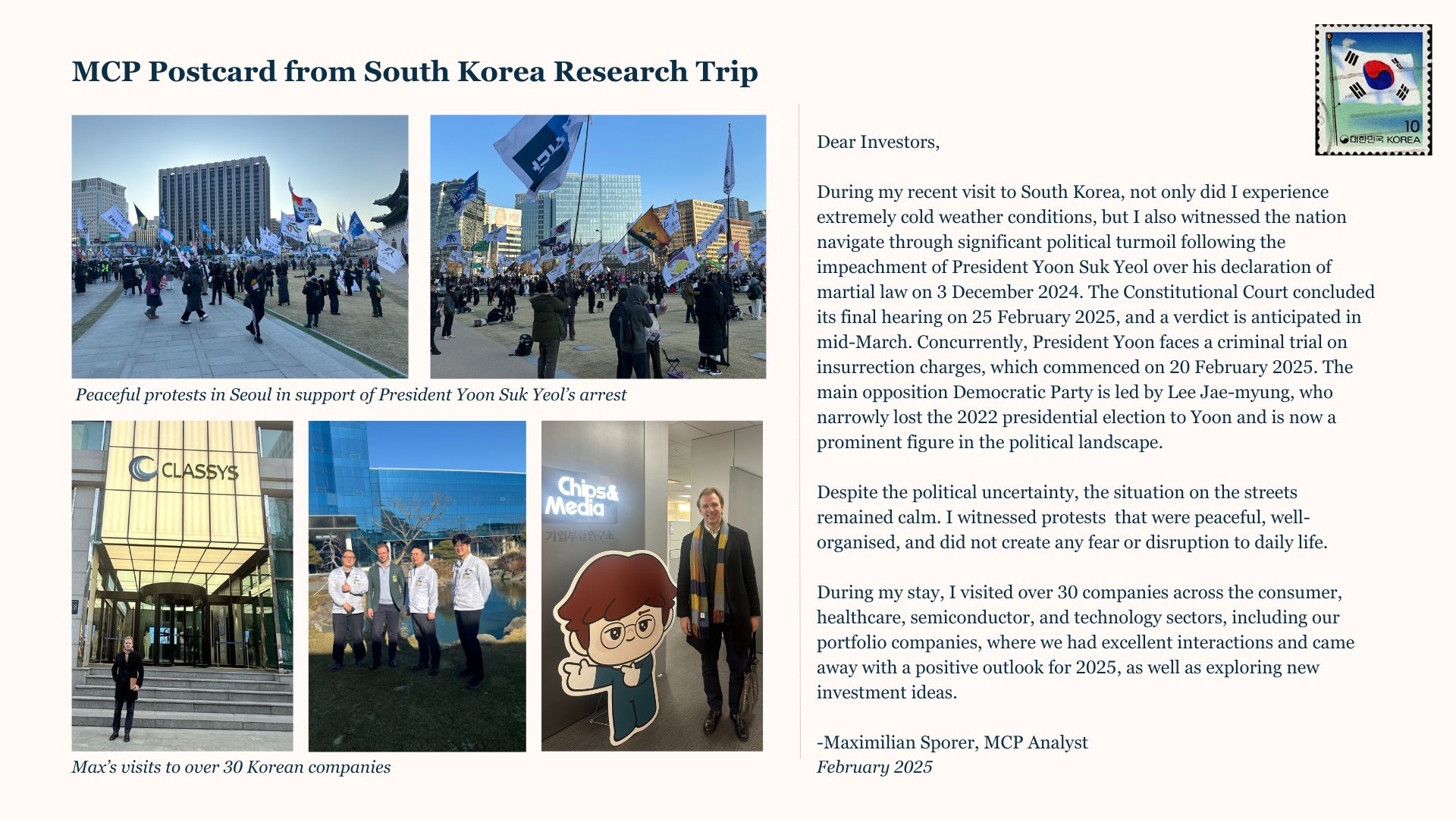
During my recent visit to South Korea, not only did I experience extremely cold weather conditions, but I also witnessed the nation navigate through significant political turmoil following the impeachment of President Yoon Suk Yeol over his declaration of martial law on 3 December 2024. The Constitutional Court concluded its final hearing on 25 February 2025, and a verdict is anticipated in mid-March. Concurrently, President Yoon faces a criminal trial on insurrection charges, which commenced on 20 February 2025. The main opposition Democratic Party is led by Lee Jae-myung, who narrowly lost the 2022 presidential election to Yoon and is now a prominent figure in the political landscape.
Despite the political uncertainty, the situation on the streets remained calm. I witnessed protests that were peaceful, well-organised, and did not create any fear or disruption to daily life.
During my stay, I visited over 30 companies across the consumer, healthcare, semiconductor, and technology sectors, including our portfolio companies, where we had excellent interactions and came away with a positive outlook for 2025, as well as exploring new investment ideas.
Since our inception, there has rarely been a dull moment, and 2024 was no exception. While a global election year would naturally bring a degree of unpredictability, many of the year’s most significant surprises and sources of volatility stemmed from elsewhere, ranging from speculation around rate cuts and tech-driven market movements to Chinese stimulus measures— alongside the backdrop of the US election.
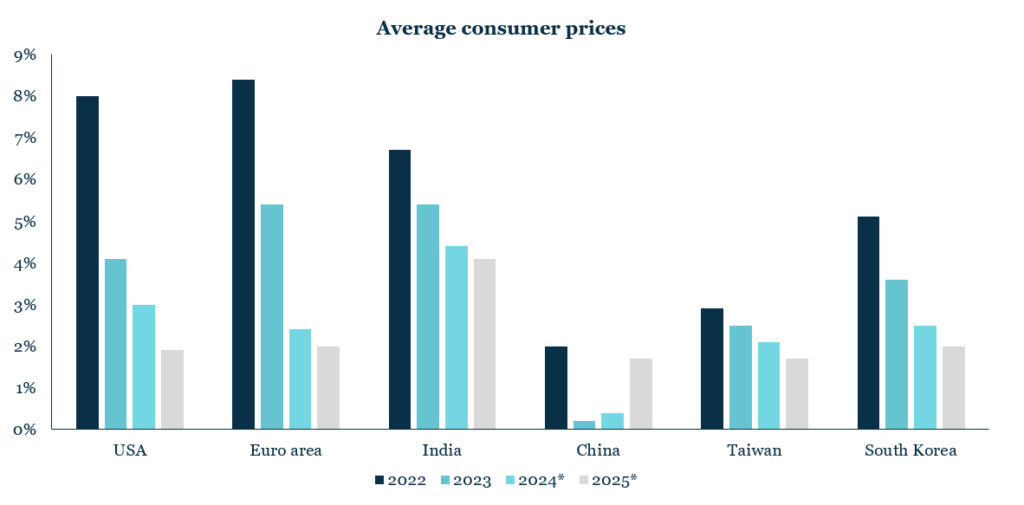
Amidst the turbulence, one of the more encouraging developments has been the ability of several developed and emerging markets to successfully steer towards what appears to be a soft landing, accompanied by the gradual (albeit occasionally uneven) normalisation of global inflation. While some fluctuations may still occur, the overall trend of easing inflation pressures, with only a few exceptions, seems clear.
For the MCP team, 2024 was a productive year, marked by extensive research trips to key markets resulting in several new additions to our portfolio. In-person meetings with companies, their competitors, local experts, politicians and economists inform our deep understanding of companies, and are an invaluable tool for conducting due diligence on investment ideas.
During these conversations and in follow-ups afterwards, we received positive updates from several companies in our portfolio that confirm our outlook. For example, Elite Material, a leading producer of semiconductor materials, is preparing to supply its upgraded M8 material for a US cloud service provider’s ASIC (Application-Specific Integrated Circuit) in 2025, addressing the growing demand for AI processing and the need for customised solutions over NVIDIA’s GPUs (Graphics Processing Unit). Similarly, Chroma has developed a unique device for its foundry client’s advanced packaging processes, ensuring precise alignment of stacked chip components, an essential capability for manufacturing next-generation AI chips.
Over the year, MEMF was able to generate robust outperformance returning 5.4% (Private C USD Founder) and 11.9% (Private C EUR Founder). In Q4, MEMF returned -2.3% (Private C USD Founder) and 5.0% (Private C EUR Founder), outperforming the benchmark (MSCI EM Mid Cap Index Net TR) by 6.5% (USD) and 7.0% (EUR) respectively.
The final quarter of 2024 has largely been defined by Donald Trump’s election victory, prompting businesses and governments worldwide to prepare for the implications of his second presidency. Additional key developments influencing emerging markets this quarter include the Fed’s second and third rate cuts of the year, the South Korean president’s controversial attempt to impose martial law, and the announcement of further stimulus measures in China aimed at bolstering economic growth.
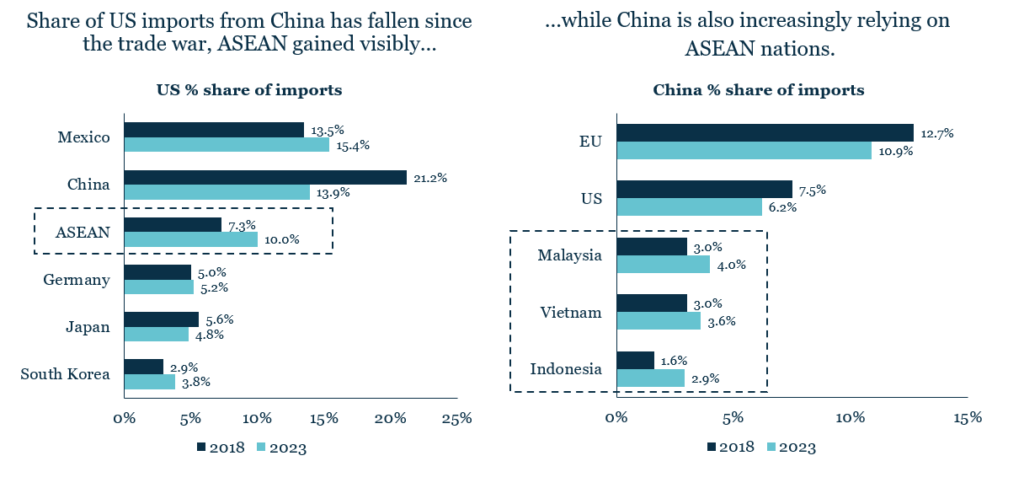
Donald Trump’s landslide victory and Republican control of Congress mark a pivotal shift for the US and global markets. While US equities and the dollar have strengthened in response, emerging markets face a more uncertain outlook due to Trump’s aggressive tariff rhetoric. Yet, as Einstein suggested, within difficulties lie opportunities. Countries like India, Indonesia and Vietnam, are already benefiting from the “China+1” strategy and appear well-positioned to attract new manufacturing investments. Their competitive labour markets, improving infrastructure and supportive government policies make them increasingly appealing, as companies seek to diversify supply chains and reduce dependency on China. At the same time, the US’s heavy reliance on imports, particularly from China, reduces the likelihood of sweeping tariffs, which could risk significant domestic disruption. Nevertheless, Trump’s track record and rhetoric on trade raises the possibility of bold policy shifts that may reshape global trade dynamics in the years to come.
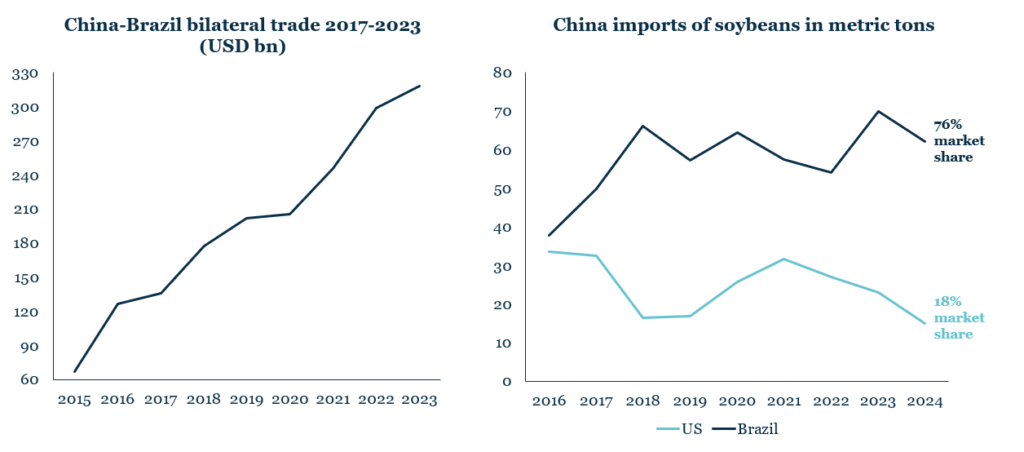
Emerging markets have previously responded to the above dynamics with increased trade diversification and reduced reliance on the US dollar. During the 2018 trade war, for example, China shifted imports like soybeans to Brazil, a move that fuelled record bilateral trade. This pattern could reemerge under Trump’s renewed tariff threats.
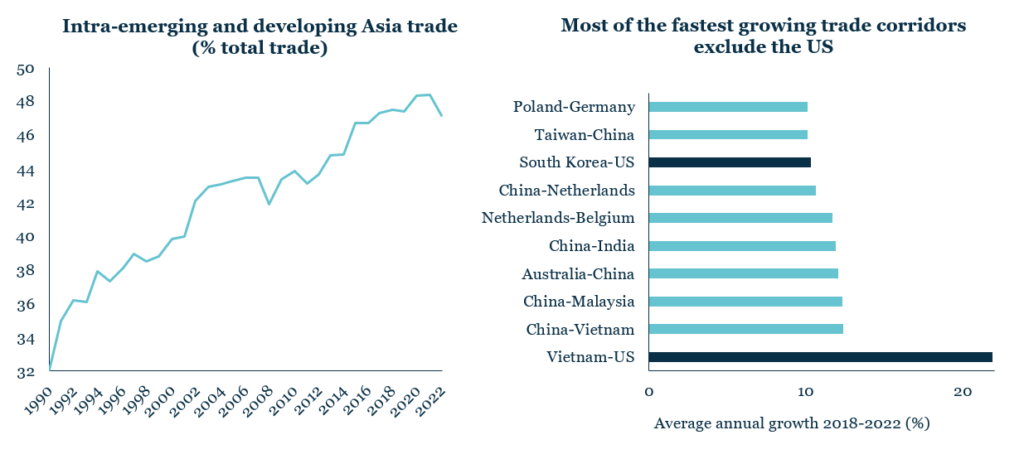
Rising Intra-EM Trade Reduces Dependence on US Trade
Source: Asia Regional Integration Centre, Economist Impact calculations, Financial Times. As of 31 December 2024.
Additionally, nations such as India are advancing local currency trade agreements, fostering resilience against external shocks. Intra-EM trade, particularly within Asia, set to rise from $4.3 trillion in 2023 to $7.1 trillion in 2030 (HSBC Forecast), has also grown significantly and is poised to accelerate further, offering emerging markets the chance to deepen their autonomy and global influence.
Brazil-China Trade Grows as China Diversifies from the US
Source: Reuters, Statista. As of 31 December 2024.
ASEAN Macro
Source: Maybank Research, Bloomberg, local sources. As of August 2024
Monetary policy adds another layer to this evolving landscape. Inflation has moderated over the past year, following the Federal Reserve’s earlier rate hikes. This had created room for monetary easing in 2024, with a cumulative 75bps rate cut signalling a shift in policy. However, the strength of the US economy may slow the pace of future reductions, even if the overall direction seems clear. Lower rates provide emerging market central banks with room to ease monetary policy, enabling cheaper borrowing, improved consumer sentiment and increased corporate investment. At the same time, local conditions remain pivotal. Brazil, for example, continues to raise interest rates to combat inflationary pressures. Nevertheless, we believe the country still holds attractive long-term opportunities, particularly in quality companies with strong fundamentals.
Global Inflation is Normalising
Source:IMF WEO October 2024, * indicates forecast
China, meanwhile, continues to grapple with significant economic challenges of its own, including its property sector crisis, weak consumer sentiment, and deflation. Recent stimulus measures, including a $1.4 trillion plan to address hidden debt and monetary easing, have provided only short-term relief. However, deeper structural reforms remain essential. The Politburo’s efforts to boost domestic demand and stabilise the property sector are positive signals, particularly in light of potential US tariff increases, but caution remains warranted.
Geopolitics remains an ongoing risk, with tensions in the Middle East, the Russia-Ukraine war, and China-Taiwan relations posing significant challenges. Our disciplined macro-overlay has been instrumental in navigating these complexities. This approach will remain central as we navigate 2025. On the positive side, Trump’s leadership may offer the potential to de-escalate conflicts and foster peace negotiations—a trend that may already be emerging in the Middle East at the time of writing.
Taken together, these interconnected factors paint a complex picture for 2025. While risks are evident, emerging markets could leverage this period of transition to strengthen resilience, diversify trade and attract investment, positioning themselves as key drivers of global growth in the years ahead. Furthermore, emerging markets are essential for diversification, offering strong growth potential, attractive valuations and innovative companies that play a key role in global supply chains. This is particularly important as the US market, with the S&P 500 heavily concentrated in just seven companies which were accounting for around 28% of its market capitalisation at the end of 2024 and contributed over 50% of its returns during the year, poses significant concentration risks. Active investing in emerging markets allows for another layer of diversification by identifying lesser-covered companies, which may offer unique opportunities for long-term growth and the potential to outperform broader market trends.
Heading into 2025, we remain focused on our long-term strategy and the core fundamentals of our holdings. Conversations with our portfolio companies in recent months have reinforced our cautiously optimistic outlook for 2025 and beyond.
As Lunar New Year celebrations continue this week, it presents an opportunity to reassess the Chinese market. The Snake, whose symbols include wisdom, transformation, and strategy, serves as a hopeful emblem for China as it navigates ongoing structural challenges this year.
The economy remains under pressure, grappling with a property sector crisis, weak consumer sentiment, and deflation. In response, Beijing has signaled plans for further stimulus measures beyond those introduced late last year, including a $1.4 trillion plan to address hidden local debt and monetary policy easing. These are certainly positive steps but have so far provided only short-term relief. Given the depth of China’s economic challenges, which we believe will take years to resolve, more strategic and decisive action appears to be the wise course for Beijing in 2025. The upcoming annual CPPCC National Committee meetings in early March will be a key event to monitor for further announcements of potential stimulus and domestic support measures.
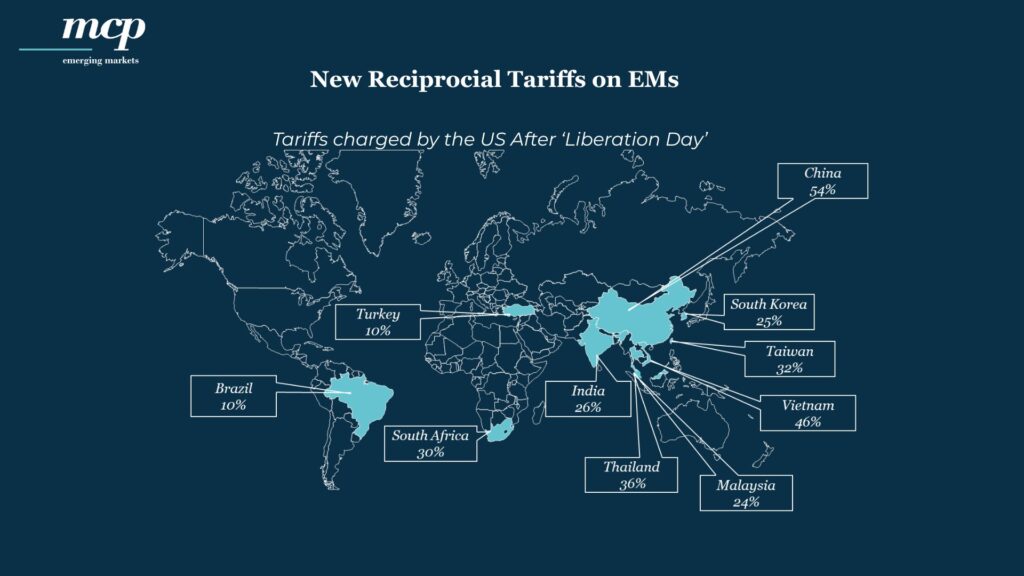
Beyond the New Year, there is limited cause for celebration this week as today an additional 10% tariff on Chinese imports to the US will take effect indefinitely. While this increase is lower than many anticipated, especially compared to Trump’s threats on the campaign trail, it is likely to spur market volatility as speculation grows over further tariff increases and their timing.
Beijing has said it will legally challenge the tariffs as they violate World Trade Organization rules and today announced it will impose additional tariffs between 10-15% on a basket of US imports, including, but not limited to, oil, gas, and farming equipment.
Overall, while the Year of the Snake represents transformation, we maintain our cautious outlook and underweight position in the Chinese market given the significant domestic and global challenges the country faces. Instead, we prefer indirect exposure to the country through Korean and Taiwanese companies that have better corporate governance and operate in a more stable macroeconomic and regulatory environment. However, China remains the world’s second-largest economy, with its 2024 GDP growth having meet its 5% target, outpacing most developed and even emerging markets growth. Therefore, amidst caution, we still search for exciting investment opportunities that meet our quality investment criteria.
Yesterday, market volatility, measured by the VIX Index, jumped 21% from the previous trading day’s close. This spike was triggered by DeepSeek, a Chinese AI start-up, unveiling a large language model (LLM) reportedly built with just USD$6M, challenging the long-standing assumption that AI development requires vast amounts of expensive Nvidia chips. As a result, Nvidia’s share price dropped 17% on Monday with sell-offs reaching across U.S. big tech with other ‘Magnificent 7’ companies experiencing smaller, yet notable, declines.
Source: Bloomberg
This underscores the risks of a highly concentrated market where sell-offs can become more severe as many investors rush to offload the same stocks, leading to outsized losses for those who remain invested.
While the high concentration of the U.S. market is well-known, it’s less widely recognised that a similar dynamic exists in emerging markets. In the MSCI Emerging Markets Index, the top 10 companies make up roughly 25% of the total index weight despite having around 1,300 constituents. Additionally, many bulge-bracket EM funds are heavily weighted toward these top 10 names, potentially increasing their vulnerability to significant drawdowns during market sell-offs.
This highlights the importance of portfolio diversification. Instead of over-concentration in a few dominant players, MCP focuses on smaller, innovative companies in emerging markets, particularly in sectors like AI and the semiconductor supply chain as well as those catering to the global recovery in consumer demand. These are areas we believe have strong potential to generate alpha and provide long-term growth opportunities.
For the MCP team, 2024 has been a productive year, highlighted by extensive research trips to key markets which we believe provide us with a competitive edge. In-person meetings with portfolio and pipeline companies, local experts, policy makers and private equity houses have provided invaluable insights into macroeconomic and geopolitical trends, businesses’ operating conditions and corporate governance, as well as enabling in-person engagement. Additionally, in under-researched emerging markets, where stocks can be mispriced due to limited available information, these trips are essential for uncovering high-quality investment opportunities that have the potential to deliver significant alpha.
The Importance of a Strong Network
We believe the key to successful research trips lies in having a trusted and extensive network. Our 25-year network is built on Portfolio Manager Carlos Hardenberg’s decades of experience in emerging markets and complemented by the industry relationships built by MCP’s analysts throughout their careers.
We don’t expect our analysts to be experts in everything, but we do expect them to know where to access relevant information, including identifying key contacts during research trips. Building these robust networks—and leveraging the valuable insights they offer—drives our commitment to frequent research trips, which in turn, creates further opportunities to engage with local experts and businesses, continually expanding our network. We adopt a targeted approach to our research trips, customising each trip to align with the unique macroeconomic and geopolitical conditions of the region and the specific characteristics of the opportunity set. This allows us to gain a deeper understanding of both country- and sector-specific challenges. Furthermore, our priority is to visit regions where we hold a strong investment conviction and have a higher portfolio exposure, leading to the majority of our trips being concentrated in Asia.
For example, during a research trip to Greater China in Q2 2024, in Taiwan, our highest country exposure, the team prioritised meeting with portfolio companies’ management teams and actively driving engagement. When the team continued to mainland China, they focused on conducting visits to manufacturing facilities of portfolio companies with operations in the region. In contrast, when the team visited Vietnam in Q3—where our exposure is just 3%— they prioritised exploring new opportunities through meetings with pipeline companies and local experts, which ultimately led to the addition of a new holding, FPT.
Looking Beyond the Sell-Side
In today’s investment landscape, it is all too easy to believe you have all the information you need at the click of a finger. When investing in well-known highly liquid stocks, information is readily available through sell-side reports, online resources and advanced data platforms such as Bloomberg. However, the ubiquity of this information leaves little room for competitive knowledge advantage in what are highly efficient markets. Moreover, relying solely on sell-side information often overlooks the depth, nuance and context that can only be gained through on-the-ground research.
In contrast, our focus is on identifying and understanding lesser-known companies. By concentrating on mid-cap stocks in emerging markets, we operate in a universe that is often under-researched, with limited sell-side coverage, reduced visibility and minimal overlap with major benchmarks. This lack of broad market coverage often leads to mispricing, creating opportunities to generate alpha by identifying undervalued companies with strong fundamentals. However, investing in these types of unknown stocks also demands rigorous, independent, in-person channel checks. While conducting this research, our team maps the competitive landscape, evaluates total addressable market (TAM) opportunities and stays informed about sector innovation and R&D trends.
MCP Visiting Taiwanese Holdings
Therefore, for our investment strategy, conducting research trips is not just beneficial—it is essential. These trips allow us to look for hidden opportunities, gain insights that others might overlook, and capitalise on market inefficiencies with the aim to generate additional sources of alpha.
Company Case Study: Chroma
The Greater China trip in Q2 2024 exemplifies how a well-structured research trip can profoundly enhance our understanding of a portfolio company. During this trip, the team focused on Chroma, a Taiwanese equipment supplier and a recent addition to the portfolio. Spending several weeks immersed in Taiwan’s vibrant semiconductor ecosystem, the team conducted comprehensive channel checks on Chroma.
Source: Chroma, Bloomberg, CLSA
Traditionally a manufacturer of testing equipment for EV and battery applications, Chroma has leveraged its expertise in thermal management to establish a foothold in the niche market of systems-level testing for high performance computing chips (HPC).
Through formal meetings, campus tours and discussions with technical experts, MCP gained deeper insights into the demand dynamics for Chroma’s innovative products. A standout example of its innovation-driven approach is the development of a cutting-edge metrology tool designed for a leading foundry’s advanced packaging process. This breakthrough positions Chroma to capitalise on the foundry’s rapid capacity expansion, driven by the growing demand for CoWoS (Chip-on-Wafer-on-Substrate) technology as the AI/HPC boom accelerates.
Enhancing Geopolitical & Macroeconomic Insights
Over the past year, the MCP team has visited India on several occasions, Greater China— including Taiwan, Hong Kong, and mainland China—as well significant portions of ASEAN, including Vietnam, Malaysia, Thailand and Singapore. As well as providing company-specific insights, in-person visits help us to assess the broader environment and challenges that companies operate in by providing a deeply informative perspective on each country’s macroeconomic landscape and enabling us to closely monitor risks, including regulatory changes and geopolitical tensions. Based on observations from recent on-the-ground trips to Greater China, we believe that the likelihood of a Chinese invasion of Taiwan in the short term appears low, given the substantial domestic economic challenges China is currently facing. However, we continue to monitor the situation very closely.
As we move into 2025, we do so with a strengthened bullish conviction in ASEAN, particularly in Vietnam, following the team’s visit to the country in September. Leveraging Carlos’ extensive network, the trip provided access to company founders, entrepreneurs, local private equity leaders, government officials, former colleagues and numerous businesses. The team also visited a local tech university and even test-drove the new VinFast car through the streets of Hanoi.
These meetings and conversations, combined with Carlos’ two decades of experience traveling to Vietnam, highlighted the country’s remarkable pace of technological innovation and transformation—an insight that stood out as the trip’s primary takeaway. Everyday observations further reinforced this perspective, from the widespread use of Grab (Asia’s version of Uber) as the primary mode of transportation, to seamless digital payments via Apple Pay.
MCP visiting Vietnam
Other key takeaways highlighted Vietnam’s impressive, world-class infrastructure—spanning airports, roads, and bridges — a business-friendly government, and significant strides in corporate governance. Collectively, these factors reinforced our optimistic view of the country’s strong growth trajectory, which we believe will support its transition to emerging market status.
Opportunities in ASEAN: Example Vietnam
Source: Maybank Research, Bloomberg, local sources, IMF WEO October 2024, FT, Export and FDI figures as of Q2 of each year
While we are excited about opportunities in Vietnam, our core convictions remain in India, Taiwan and South Korea. Research trips to these regions have reinforced our convictions, highlighting the innovation of local companies, strong corporate governance practices and supportive macroeconomic environments. India’s well-educated, youthful population supports long-term growth, while Taiwan and South Korea lead in innovation, particularly in tech sectors such as AI, 5G and renewable energy, where we favour asset-light, IP-based businesses.
Although South Korean President Yoon Suk Yeol shocked the nation and global investors with his failed attempt to impose martial law in December, we believe the Constitutional Court’s decision to impeach Yoon, leading to his arrest in January 2025, highlights the strength of the country’s democratic framework which will allow the country to focus on its economic potential. Fundamentally, we remain confident in the country’s stability and its promising investment opportunities, particularly in the export market.
Conclusion
In 2025, the team is excited to continue these on-the-ground research trips to both familiar and unfamiliar markets. Trips already planned include India, Taiwan and Latin America, with additional trips to follow later in the year. These visits will allow MCP to conduct in-depth channel checks on portfolio companies, perform rigorous due diligence on pipelines companies, stay attuned to evolving macroeconomic and geopolitical trends, and conduct in-person engagement.
Donald Trump’s inauguration yesterday following his landslide victory marks a pivotal shift for U.S. and global markets. While U.S. equities and the dollar have strengthened in response, emerging markets face a more uncertain outlook due to Trump’s aggressive tariff rhetoric.
Yet, within challenges lie opportunities. Countries like India, Indonesia, and Vietnam, for example, are already benefiting from the “China+1” strategy and appear well-positioned to attract new manufacturing investments. Their competitive labour markets, improving infrastructure, and supportive government policies make them increasingly appealing as companies seek to diversify supply chains and reduce dependency on China.
At the same time, the U.S.’s heavy reliance on imports, particularly from China, reduces the likelihood of sweeping tariffs, which could risk significant domestic disruption. Trump refrained from threatening immediate tariffs on China in his first days in office, and even spoke by phone with President Xi Jinping just days before his inauguration, suggesting that tariffs on China could be more moderate than Trump advocated on the campaign trail. Nevertheless, Trump’s past track record and rhetoric on trade raises the possibility of bold policy shifts that may reshape global trade dynamics in the years to come.
Emerging markets have previously responded to the above dynamics with increased trade diversification and reduced reliance on the US dollar. During the 2018 trade war, for example, China shifted imports like soybeans to Brazil, a move that fuelled record bilateral trade. This pattern could reemerge under Trump’s renewed tariff threats.
Additionally, nations such as India are advancing local currency trade agreements, fostering resilience against external shocks. Intra-EM trade, particularly within Asia, has also grown significantly and is poised to accelerate further, offering emerging markets the chance to deepen their autonomy and global influence.
Overall, while risks are evident, emerging markets could leverage this period of transition to strengthen resilience, diversify trade, and attract investment, positioning themselves as key drivers of global growth in the years ahead.
The world’s attention is fixed on the outcome of what many have called one of the most divisive U.S. elections in recent history. Yet the results are anything but close, with a Republican sweep across the Senate, likely the House of Representatives, and, of course, the presidency, secured by Donald Trump. Businesses and governments worldwide are now asking how a second Trump presidency will affect them. Given Trump’s notorious unpredictability, the answer for many is not straightforward. At MCP, we’re asking the same for Emerging Markets and, despite the often pessimistic narrative, we’ve identified several potential silver linings in a Trump presidency.
Trump’s Domestic Economic Policies:
Trump positions himself as a champion of “the people,” and if that term refers to America’s wealthiest individuals and business leaders, he may be right. A central pillar of his domestic economic agenda is tax cuts, and with a Republican majority, an extension of the 2017 Tax Cuts & Jobs Act is highly likely. This act established a flat corporate tax rate of 21% and lowered individual tax rates, with the wealthiest Americans seeing the greatest benefit. Additionally, Trump has consistently advocated for deregulation, especially in sectors like digital assets and non-renewable energy.
Much like the pre-election polls, economists are divided on whether Trump’s next term will ultimately harm or hinder the U.S. economy in the long term. However, there is general consensus that, in the short term, Trump’s pro-business policies are likely to stimulate US economic growth. Herein lies the first silver lining for EM: a strong US economy has positive spill over effects on the global economy as it boosts demand from U.S. consumers for EM exports.
Trump, Trade and Tariffs:
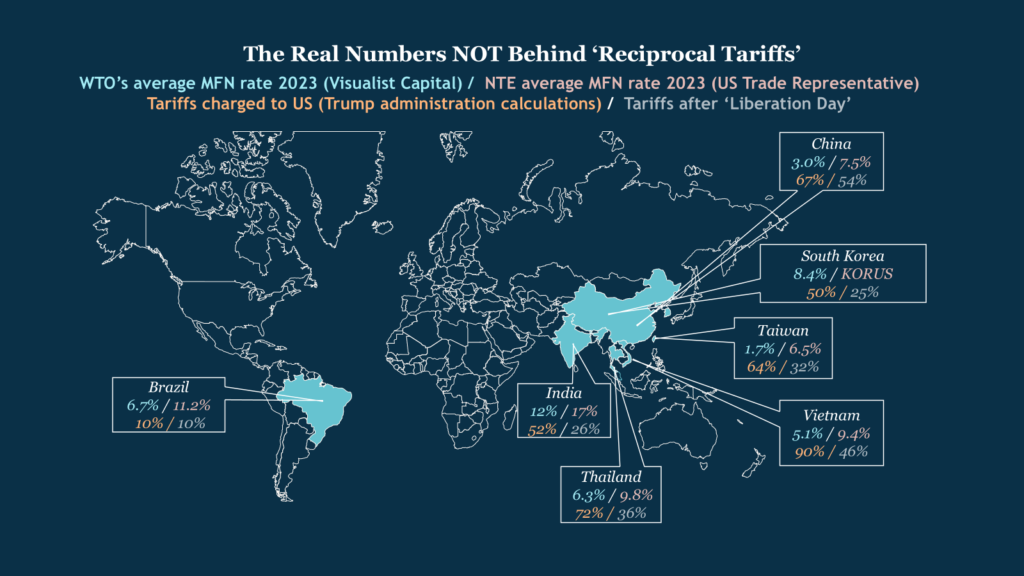
However, the subject of Trump and trade is particularly sensitive for EM and Trump’s clear ‘America First’ stance is hard to ignore. Trump has been outspoken about his support for tariffs, yet both DM and EM may be left out in the cold as Trump has threatened a universal 10-20% tariff on all trading partners and indicated replacing income tax with tariff revenue via the proposed “Trump Reciprocal Trade Act.” That being said, China will clearly be the most effected with Trump advocating for a 60% tariff on Chinese imports.
It may be wise not to take such threats at face value. Trump himself has described tariffs as a powerful negotiation tool and he might actually use them as such. The reality is that the U.S. remains heavily reliant on imports, particularly from China, whose production capacity is unparalleled. Although there is momentum behind reshoring manufacturing, reducing the U.S.’s global trade deficits through this approach is likely a long-term endeavor, potentially spanning decades. This economic interdependence could restrain Trump’s ability to impose sweeping punitive trade measures without risking inflation and considerable supply chain and economic disruptions domestically.
Differing Impact on EM Regions:
While finding a silver lining in China itself may be challenging, it’s much easier to spot ones in countries like India, Indonesia, Vietnam, Malaysia, and Mexico. These nations, known for their low-cost manufacturing, are set to become even more attractive to FDI as the global shift to “China+1” accelerates. As higher tariffs on China undermine its cost competitiveness, supply chain gaps will emerge, offering these countries opportunities to meet the demand and capture a larger share of global manufacturing. This increase in production could help offset the negative effects of higher tariffs on their exports to the U.S.
Moreover, escalating U.S.-China trade tensions could create opportunities for other EM to strengthen their trade relationships with China. For example, during the trade war in 2018, China shifted from importing U.S. soy beans to sourcing them from Brazil. Similar patterns of retaliation could benefit countries with strong trade ties to China or those that produce goods that can replace US exports.
Resilience in EM:
Emerging Market companies have demonstrated their resilience, thriving even amidst geopolitical and economic uncertainties, thanks to robust business models, innovation, and strong growth prospects. Structural advantages such as favourable demographics, higher GDP growth projections, and ongoing digitalisation ensure that EM will remain competitive, despite potential tariff-related challenges.
While Trump’s presidency introduces a degree of unpredictability, more clarity over Trump’s intentions in the months ahead along with administration appointments is expected to reduce short-term market volatility. Although Trump’s policies pose risks to the global trade order, the outlook for EM is not all doom and gloom. In fact, certain EM regions stand to benefit from new growth and investment opportunities stemming from shifts set to accelerate under Trump such as China+1. We are confident that this resilient asset class will navigate these turbulent times as effectively as it did during Trump’s first presidency, during which the MSCI EM Index delivered a 57% return in USD terms1.
1 Bloomberg: From 20 January 2017 – 20 January 2021
Navigating Market Swings: Reflections on Volatility in Investing
Navigating volatility has always been a priority for the MCP investment team, not just to mitigate risks but also to proactively capitalise on the opportunities that market fluctuations present. Given the recent spike in volatility this summer, we thought it was an opportune time to share our insights on navigating market turbulence, drawing on Carlos Hardenberg’s 25+ years of experience. Beginning his career during the Asian financial crisis, Carlos has navigated the dotcom bubble, the global financial crash, the Covid-19 pandemic and numerous other market disruptions. His experience as a long-only equities investor has only reinforced the idea that volatility can be your friend if you use it effectively.
Understanding Volatility
Managing market volatility starts with understanding its causes — asking why investors buy one day and sell the next, often without any significant change in fundamentals. This behaviour is rooted in the fear of the unknown, a human characteristic to which investors are not immune.
Source: Bloomberg. As of 30 September 2024.
Uncertainty leads to nervousness, causing a risk-averse instinct which, in investing, often leads to sell-offs. The herd mentality exacerbates the situation — as everyone else sells, the fear of being left behind and suffering greater losses grows stronger, pushing more investors to follow suit. The widespread use of algorithmic trading, most of which trades on the same set of predefined conditions that mirror market movements, compounds the effects of sell-offs and thus increases volatility further. In 2018, Select USA estimated that algorithms now dominate 60-75% of trading in major US, European and Asian markets.
Leveraging Volatility
In times of volatility, we believe it is important to remain calm and focus on fundamentals and the long-term. We seek high-quality companies with excellent management teams, strong moats, positive cashflows and little to no debt. These companies are more likely to prove resilient and maintain a positive outlook. Nevertheless, we always monitor macro developments and their potential impact on our investment case very closely. Timing is critical in responding to changing macro and micro conditions — selling too early or too late can have significant consequences. Yet 25 years of investment experience has taught Carlos that selling on volatility alone usually leads to poor investment decisions. During the 2008 global financial crisis, many investors fled risk assets such as emerging markets, resulting in a vast pool of undervalued EM stocks despite their strong fundamentals and sound business models. Rather than following the herd, Carlos leveraged the volatility as a source of additional alpha generation. By staying disciplined, closely monitoring his investments and adjusting his strategy when needed, he was well positioned to capitalise on these mispriced assets during the subsequent recovery, thereby leveraging uncertainty as a friend. Similarly, during the Covid-19 pandemic, the team swiftly repositioned the portfolio, seizing the opportunity to add high-quality companies from our watch list. These companies were being unfairly dragged down by market sentiment. This timely and strategic response, we believe, contributed significantly to the fund’s strong outperformance.
Interestingly, over the past decade, US equities have been more volatile than emerging markets in local currency terms. One reason could be the high concentration of the US market. Since 2014, big tech companies have rapidly increased their market dominance, with the ‘Magnificent 7’ now accounting for around 30% of the S&P500. In a highly concentrated market, sell-offs can become more severe as many investors rush to offload the same stocks, leading to outsized losses for those who remain invested. Historical examples have showcased the risks inherent in highly concentrated markets. For example, the dotcom bubble era was dominated by five tech stocks, which were quickly sold off when the bubble burst, contributing to the 78% loss in the Nasdaq index from its peak in March 2000 to its low in October 20021.
Source: FE Analytics
Market Concentration and Volatility
While the high concentration of the US market is widely recognised, many investors do not realise that the situation is similar in emerging markets. In the MSCI EM Index, the top 10 companies account for approximately 25% of the total index weight, despite there being around 1,300 constituents in total. In addition, many of the bulge-bracket EM funds’ portfolios are similarly concentrated in these top 10 names, potentially increasing their vulnerability to significant drawdowns during market sell-offs. This highlights the importance of portfolio diversification. We prefer smaller, lesser-known innovative companies in emerging markets, particularly in sectors like AI and the semiconductor supply chain, which we believe have a strong potential to deliver alpha.
Monetary Policy, Volatility and Emerging Markets
One of the main sources of volatility this year has been the Federal Reserve’s decisions regarding interest rate cuts. While the pace of future cuts and any unexpected employment or inflation data may continue to cause market fluctuations, the direction is now clear with the first cut behind us. Our focus, however, remains on the impact of these rate cuts on emerging markets rather than the short-term volatility around Fed meetings. With rates trending lower, as demonstrated by the Fed’s half-point cut on 18 September, we believe emerging markets are poised to benefit. Lower interest rates in advanced economies typically weaken the dollar, which in turn supports EM currencies and eases the burden of dollar-denominated debt.
Since 1988, EM equities have, on average, outperformed DM equities in 4/5 Fed rate-cutting cycles returning 29% in the 24 months following the last Fed rate hike2. Moreover, while many LatAm countries are ahead in the rate cutting cycle, Asian countries have been more cautious. Fed cuts now give many of them more room to begin their respective cutting cycles, thereby enabling cheaper borrowing, improving consumer sentiment and corporate spending, and stimulating growth.
Source: Maybank Research, Bloomberg, local sources. As of September 2024.
In addition, lower US interest rates can benefit emerging markets by reducing the attractiveness of safer, lower-yielding assets in developed markets, encouraging investors to seek higher yields in EM, increasing FDI flows and supporting EM asset prices. However, this impact varies across emerging markets as increased risk appetite and lower US yields cannot offset poor macroconditions or weak corporate fundamentals. For example, in the rate-cutting environment of 2019, Taiwan saw strong FDI inflows of $8.2bn, up 16% from 2018, while Argentina, with weaker fundamentals saw a 43% drop in FDI to $6.7bn3. Therefore, maintaining a robust macroeconomic overlay, combined with diligent stock selection, remains essential. This approach focuses on companies with strong fundamentals and resilient business models that can capitalise on a lower interest rate environment.
Volatility around Elections
The global election year, seeing more than 60 countries and two billion people participating in elections4, has provided an additional source of volatility as uncertainty over new governments and policy directions incites investors’ fear of the unknown. However, most of the elections in emerging markets this year have not led to significant long-term spikes in volatility as the results have largely maintained the status quo in government policy. While initial declines in equity markets were mostly brief and quickly reversed (Mexico being one exception) some elections have even reduced local market volatility, with South Africa being a good example.
The US election remains a major source of uncertainty, more so than local EM elections, and will probably cause short-term market fluctuations in the lead up. However, historically, volatility tends to decline after the election announcement as uncertainty is reduced and, in fact, the MSCI EM Index often shows positive performance in the 100 days following the election announcement. The long-term impact of the new government’s policy direction, particularly on the strength of the USD and foreign policy, is what is most crucial for emerging markets. Donald Trump has perhaps been a more vocal proponent of protectionism, proposing extreme measures, including minimum tariffs of 60% on Chinese goods, 10% tariffs on global imports and, most recently, 100% tariffs on countries that turn from the US dollar. However, Joe Biden has retained and expanded many of the tariffs implemented by Trump during his presidency, reflecting a rare area of agreement between the two adversaries and a broader US shift towards de-globalisation and protectionism. Given Kamala Harris’s role as Vice President in implementing and expanding key protectionist policies such as the Inflation Reduction Act (2022) and the CHIPS and Science Act (2022), significant changes in trade policy may not be expected if she takes office.
Source: Bloomberg, figures are calculated from the first trading day after each country’s final election to 30 September 2024.
As a result, we expect friend shoring and nearshoring to continue driving capital into regions like Mexico and ASEAN, particularly in their manufacturing sectors. Additionally, the US’s decoupling from China is likely to strengthen ties with allies such as Taiwan and South Korea for semiconductor chips, and with South American and Eastern European countries for raw materials such as lithium, benefiting these emerging markets’ respective industries.
Geopolitics and Volatility
Geopolitics has long been, and is likely to remain, a significant source of volatility in global equity markets. No market, whether developed or emerging, is immune to the impacts of geopolitical events such as trade wars, ongoing conflicts or rising regional tensions. We believe the key to navigating these shocks, much like economic crises, is to stay disciplined by continuously monitoring the situation, staying informed and revisiting and reconfirming every single investment case as circumstances evolve. A disciplined macro-overlay is essential in emerging market investing, even for bottom-up stock pickers like ourselves. This approach has allowed us to effectively navigate and mitigate risks associated with major geopolitical events. For instance, we had no exposure to Russia during its invasion of Ukraine, driven by concerns over governance issues and the regulatory environment.
We closely monitor the relationship between China and Taiwan and believe that China will continue to focus on its own economic priorities in the near future, such as the overcapacity in the property market and high unemployment levels, and the recent measures to boost the economy seem to confirm this. Meanwhile, our exposure to Taiwanese companies is limited to asset-light businesses or those with a well-diversified global production base, providing some downside protection in the event of an escalation.
Conclusion: Stay Calm and Carry On
The bottom line is to stay disciplined and maintain a long-term perspective as markets tend to mean revert. Therefore, we believe by focusing on quality fundamentals rather than short term trends, volatility can be more effectively managed and even leveraged. In addition, falling interest rates have put EM back on the table as an attractive investment case for many, but we believe it is important to optimise EM investments via under-covered and mispriced small and mid-cap companies that will benefit from growing trends, such as AI, renewables and the growing consumer and middle classes, as well as diversifying your portfolio beyond the most concentrated stocks.
AI has been around since the mid-20th century, with Alan Turing, often regarded as the father of AI, introducing the Turing Test in his paper “Computing Machinery and Intelligence”. This is a method for determining if a machine can exhibit human-like intelligence, involving a human judge asking the same questions to a machine and another human; if the judge cannot distinguish which responses were provided by the machine or the human, the machine is said to have passed the test.
Turing’s work paved the way for artificial intelligence, first giving life to traditional AI which processes input databased on pre-defined patterns to make decisions. This technology is now ubiquitous in everyday life, seamlessly integrated into various applications like Spotify recommendations and online chess opponents. Today, Turing’s ambitions are even closer to being realised with the advent of generative AI which can create novel content based on its data inputs, making it vastly more sophisticated than traditional AI with potentially limitless use cases.
It was in fact the launch of Chat-GPT in November 2022 that show cased the unprecedented capabilities of Gen-AI on a global scale. Since then, we have seen the emergence of a large number of AI start-ups, accompanied by huge investments from both investors and large tech companies. This boom is reflected in the staggering growth of private sector spending on Gen AI-centric systems, which is expected to rise from $14 billion annually in 2020 to $137 billion annually by 20241.
Just as the advent of the factory may have been unimaginable to the 16th century peasant, or the advent of Chat-GPT may have been unimaginable to Turing’s peers, it is thought that Gen AI will lead to similar transformative inventions leaving no industry or corner of the globe untouched, hence Nvidia’s CEO Jensen Huang apt description of us witnessing “the dawn of anew industrial revolution”. A compelling example of Gen-AI’s potential to revolutionise an industry is in healthcare, where it promises ground breaking advances in medical treatment, diagnosis, distribution, vaccine development, and more. For example, early studies indicate that Gen-AI has the capability to detect early signs of breast cancer that may not be visible to the human eye. Given that approximately 13% of breast cancers go undetected by mammography2, a technology capable of reducing these omissions could potentially save millions of lives worldwide.
While there is no universal consensus on how much Gen-AI will contribute to productivity growth, numerous studies and forecasts highlight substantial contributions. For example, Goldman Sachs predicts Gen-AI will boost productivity growth by 1.5 percentage points over a 10-year period from 2023, and BCG estimates that productivity gains in the public sector will be valued at $1.75 trillion per year by 2033.
Estimates of Gen-AI’s contribution to economic growth also vary widely but all represent significant figures. Goldman Sachs estimated that Gen-AI will drive a 7% increase in global GDP between 2023-32. Meanwhile, JP Morgan estimated a wider range of a 7-10% increase over the same period. However, nearly all forecasts align on the industry’s Compound Annual Growth Rate (CAGR) which is being estimated at between 35-45% over 10 years, an impressive figure that underscores the opportunities for long-term investor returns.
Given this trajectory it is unsurprising the technology has been a major driver of investment this year. However, there are and will continue to be losers as well as winners in the AI story. The key is not only recognising today’s obvious winners, companies like Nvidia, which now have the downside of increasingly expensive valuations, but also identifying undiscovered, innovative companies with competitive edges that play lesser known, yet vital roles in the Gen-AI industry. Focusing on the semiconductor industry reveals that emerging markets are crucial for diversified exposure to the Gen-AI industry.
Countries like Taiwan and South Korea have established dominant positions in semiconductor manufacturing through a medley of factors, including decades of state-directed incentives and tax advantages, a favourable talent pool, a strong work ethic culture, and robust infrastructure. Today, Taiwan, ‘the Silicon Valley of the chip industry’, produces 60% of the world’s semiconductor chips and 90% of the most advanced ones3.
Accordingly, Taiwan, the Fund’s largest exposure (20.4% as of 28 June 2024), delivered a total return of 17.7% over Q2 2024. While the media often portrays US companies like Nvidia and OpenAI as epicentre of the Gen-AI industry, at MCP we recognise that these companies rely on the semiconductor manufacturers in EM which play a crucial, but perhaps less visible, role in the industry.
The complex semiconductor supply chains in emerging markets have led to a large universe of under-researched companies. Given their limited coverage by sell-side analysts, MCP researches investment opportunities within a diverse array of overlooked segments of the supply chain, including providers of niche components and equipment such as CPU sockets, CCLs, and connectivity solutions, as well as leaders in the IC design and semiconductor testing fields. MCP aims at identifying the market leaders in these sectors – companies often recognised as preferred vendors to industry giants for outsourced chip components and services. These companies typically operate in oligopolistic markets characterised by high barriers to entry due to their deep specialisation and have strong balance sheets, robust fundamentals and deep moats. A prime example of this type of company is Taiwan-based Lotes which we recently added to our portfolio (see company spotlight in MCP Manager’s Commentary Q2 2024).
Additionally, several other emerging markets are positioning themselves as the next leaders in the semiconductor and Gen-AI industries, perhaps most notably India. In February, the Indian government approved a $15 billion investment to build three new semiconductor plants, including its first semiconductor fab facility: a move to kick-off its journey to becoming a semiconductor manufacturing hub4. Additionally, the authorities have attracted tech companies to set up operations in India through incentives. For example, Microsoft has pledged $3.7bn to Telangana, and Amazon is planning on investing $12.7 bn in cloud infrastructure by 20305. We see this as a reflection that innovation and leadership in Gen-AI and related industries not only stretches beyond the US, but also stretches far across EM.
Once Gen-AI has been developed at the hardware level, it can be applied to various software applications in almost any industry. We are proud that almost all of our portfolio companies are embracing the technology and implementing it in their processes and software to improve operations, efficiency and productivity. Moreover, the software companies that are offering Gen AI products that help businesses to implement Gen-AI within their systems provide another type of AI exposure. Persistent Systems for example has earned the title of Generative AI Market Leader in the HFS Horizons: Generative Enterprise™ Services 2023 Report, which evaluated 35 service providers’ generative enterprise services.
Overall, we believe the generative AI industry has a bright future. While there will be obstacles along the way (e.g. environmental and safety concerns), the industry is set for significant growth. However, simply jumping on the Gen-AI bandwagon will not result in a surefire success story. Reflecting on the years of the internet boom, we see that the long-term trajectory of the industry will likely result in different winners and losers compared to those of today. At MCP, we identify under-researched companies in emerging markets which we believe are today’s innovators, and tomorrow’s winners of the Gen-AI story.
To find out more about portfolio manager Carlos Hardenberg’s and the MCP team’s insights into the Gen-AI industry, listen to Gen-AI, Beyond the Hype. This episode is part of our podcast channel, Insiders and Outliers -MCP on Emerging Markets, available on Spotify, Apple Podcasts and Soundcloud.